



In the dynamic landscape of the medical industry, hematology reagents play a pivotal role in diagnosing and monitoring various health conditions. As an OEM (Original Equipment Manufacturer) supplier of hematology reagents, I've often encountered inquiries about the export restrictions associated with our products. This blog aims to shed light on this critical topic, exploring the factors that influence export restrictions, and how they can impact the global distribution of our high - quality hematology reagents.
Understanding Hematology Reagents and Their Importance
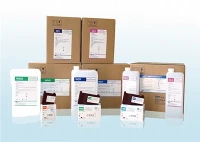
Hematology reagents are essential components in hematology analyzers, used to conduct a wide range of blood tests. These tests are crucial for diagnosing diseases such as anemia, leukemia, and infections. As an OEM supplier, we specialize in producing a diverse portfolio of hematology reagents, including Lyser for Beckman Coulter Series Hematology Instrument, Cleaner for Mindray Hematology Instrument, and Rinse for Horiba ABX Series Hematology Instrument. Our products are designed to meet the high - precision requirements of modern hematology analyzers, ensuring accurate and reliable test results.
Factors Affecting Export Restrictions
Regulatory Requirements
One of the primary factors influencing the export of hematology reagents is the regulatory environment in both the exporting and importing countries. Different countries have their own sets of regulations governing the import of medical products, including hematology reagents. These regulations are in place to ensure the safety, efficacy, and quality of the products.
For instance, in the United States, the Food and Drug Administration (FDA) has strict regulations for medical devices and reagents. Any hematology reagent exported to the US must comply with the FDA's pre - market approval or clearance requirements. This includes providing detailed information on the product's composition, manufacturing process, and performance data. Similarly, the European Union has its own regulatory framework, such as the In Vitro Diagnostic Medical Devices Regulation (IVDR), which sets standards for the marketing and use of in - vitro diagnostic products, including hematology reagents.
Intellectual Property Rights
Intellectual property rights can also pose challenges to the export of OEM hematology reagents. Many large medical device companies hold patents on specific reagent formulations or manufacturing processes. As an OEM supplier, we need to ensure that our products do not infringe on these patents. In some cases, we may need to obtain licenses from the patent holders to export our reagents. Failure to do so can result in legal disputes and restrictions on our export activities.
Trade Agreements and Tariffs
Trade agreements and tariffs between countries can significantly impact the export of hematology reagents. Free trade agreements can facilitate the export process by reducing or eliminating tariffs, making our products more competitive in the international market. On the other hand, trade disputes and the imposition of tariffs can increase the cost of exporting, making it more difficult for us to reach certain markets. For example, recent trade tensions between some countries have led to the imposition of additional tariffs on medical products, including hematology reagents, which has affected our profit margins and market access.
Strategies to Navigate Export Restrictions
Regulatory Compliance
To overcome regulatory barriers, we invest heavily in ensuring that our hematology reagents meet the regulatory requirements of different countries. Our R & D team works closely with regulatory experts to understand the specific requirements of each market and develop products that comply with these standards. We also maintain detailed documentation of our manufacturing processes and product performance, which can be submitted to regulatory authorities for approval.
Intellectual Property Management
We have a dedicated intellectual property management team that conducts thorough patent searches before developing new products. This helps us avoid infringing on existing patents and identify opportunities for licensing. In addition, we also work on developing our own intellectual property, such as new reagent formulations and manufacturing techniques, which can give us a competitive edge in the market.
Market Diversification
To mitigate the impact of trade agreements and tariffs, we focus on market diversification. Instead of relying on a single market, we actively seek to expand our customer base in different regions. By targeting emerging markets with growing demand for hematology reagents, we can reduce our dependence on traditional markets and minimize the impact of trade - related uncertainties.
Impact of Export Restrictions on Our Business
Export restrictions can have both positive and negative impacts on our business. On the one hand, regulatory requirements ensure that our products meet high - quality standards, which can enhance our reputation in the international market. By complying with strict regulations, we can build trust with our customers and gain a competitive advantage over non - compliant suppliers.
On the other hand, export restrictions can also increase our costs and limit our market access. The process of obtaining regulatory approvals can be time - consuming and expensive, requiring significant investment in research, development, and documentation. In addition, trade barriers such as tariffs can make our products less competitive in certain markets, reducing our sales and profitability.
Conclusion
In conclusion, the export of OEM hematology reagents is subject to a variety of restrictions, including regulatory requirements, intellectual property rights, and trade agreements. As an OEM supplier, we are committed to navigating these challenges to ensure the global availability of our high - quality hematology reagents. We believe that by investing in regulatory compliance, intellectual property management, and market diversification, we can overcome these restrictions and continue to grow our business in the international market.
If you are interested in our hematology reagents or have any questions about our products, we welcome you to contact us for further discussion and potential procurement opportunities. We look forward to working with you to meet your hematology testing needs.


References
- U.S. Food and Drug Administration. (n.d.). Medical Devices. Retrieved from [FDA official website]
- European Commission. (n.d.). In Vitro Diagnostic Medical Devices Regulation (IVDR). Retrieved from [European Commission official website]