


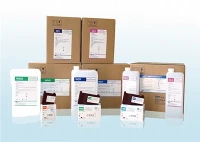


As a supplier of biochemistry analyzers, I've often been asked whether our products can be used in the environmental field. The answer is a resounding yes! In this blog post, I'll delve into the applications of biochemistry analyzers in environmental analysis and explain why they are invaluable tools in this sector.


The Basics of Biochemistry Analyzers
Before we explore their environmental applications, let's briefly understand what biochemistry analyzers are. Biochemistry analyzers are sophisticated instruments designed to measure various biochemical substances in biological samples. They are commonly used in clinical laboratories to analyze blood, urine, and other bodily fluids for diagnostic purposes. These analyzers use a variety of techniques, such as spectrophotometry, colorimetry, and immunoassay, to quantify the concentration of specific analytes.
Applications in Environmental Analysis
- Water Quality Monitoring
One of the most significant applications of biochemistry analyzers in the environmental field is water quality monitoring. Water is a vital resource, and ensuring its safety is crucial for human health and the environment. Biochemistry analyzers can be used to measure a wide range of parameters in water, including nutrients (such as nitrogen and phosphorus), heavy metals (such as lead, mercury, and cadmium), and biochemical oxygen demand (BOD).
For example, the measurement of BOD is an important indicator of the organic pollution in water. A high BOD value indicates the presence of a large amount of organic matter, which can deplete the oxygen in water and harm aquatic life. Biochemistry analyzers can accurately measure BOD by using specific reagents and methods. This information is essential for water treatment plants, environmental agencies, and industries to monitor and manage water quality.
- Soil Analysis
Biochemistry analyzers can also be used for soil analysis. Soil is a complex ecosystem that contains a variety of organic and inorganic substances. Analyzing the biochemical properties of soil can provide valuable information about its fertility, health, and pollution levels.
Biochemistry analyzers can measure parameters such as soil pH, organic matter content, and nutrient levels. For instance, measuring the nitrogen, phosphorus, and potassium levels in soil can help farmers determine the appropriate fertilization strategies. Additionally, detecting heavy metals in soil can help identify areas of contamination and guide remediation efforts.
- Air Quality Analysis
Although not as common as water and soil analysis, biochemistry analyzers can also play a role in air quality analysis. They can be used to detect and quantify certain pollutants in the air, such as volatile organic compounds (VOCs) and particulate matter.
For example, some biochemistry analyzers can use immunoassay techniques to detect specific VOCs. This information can be used by environmental agencies and industries to monitor air quality and ensure compliance with environmental regulations.
Advantages of Using Biochemistry Analyzers in the Environmental Field
-
High Precision and Accuracy
Biochemistry analyzers are designed to provide highly precise and accurate results. They use advanced technologies and reagents to ensure the reliability of the measurements. This is crucial in environmental analysis, where even small errors in measurement can have significant consequences. -
Efficiency and Speed
These analyzers can perform multiple tests simultaneously, which significantly reduces the time required for analysis. This is especially important in environmental monitoring, where quick results are often needed to make informed decisions. -
Versatility
Biochemistry analyzers can be used to measure a wide range of analytes, making them suitable for various environmental applications. They can be easily adapted to different sample types and testing requirements.
Our Products for Environmental Applications
At our company, we offer a range of biochemistry analyzers that are suitable for environmental analysis. Our Biochemistry Semi Auto Analyzer and Semi-automatic Biochemical Analyzer are designed to provide accurate and reliable results for water, soil, and air analysis.
These analyzers are user-friendly and can be easily operated by laboratory technicians. They are also equipped with advanced software that allows for data management and analysis. Our products are backed by our technical support team, who can provide assistance and training to ensure the proper use of the analyzers.
Contact Us for Procurement
If you are interested in using our biochemistry analyzers for environmental analysis, we encourage you to contact us for procurement. Our sales team will be happy to provide you with detailed information about our products, pricing, and technical specifications. We are committed to providing high-quality products and excellent customer service to meet your needs.
References
- APHA. (2017). Standard Methods for the Examination of Water and Wastewater. American Public Health Association.
- Sparks, D. L. (2003). Soil Analytical Methods. CRC Press.
- Harrison, R. M., & van Grieken, R. (2003). Atmospheric Particles. Wiley.