




A urinary tract parasite infection is a condition that can significantly disrupt the normal functioning of the urinary system. As a supplier of urine sediment quotation, I've witnessed firsthand the importance of understanding how such infections can impact urine sediment analysis. In this blog, we'll explore the relationship between urinary tract parasite infections and urine sediment quotation, delving into the scientific aspects and practical implications for accurate diagnosis.
Understanding Urinary Tract Parasite Infections
Urinary tract parasite infections are caused by various parasites that can invade the urinary system. Common parasites include Trichomonas vaginalis, Schistosoma haematobium, and Enterobius vermicularis. These parasites can enter the urinary tract through different routes, such as sexual contact, contaminated water, or poor hygiene. Once inside the urinary tract, they can cause inflammation, damage to the urinary tissues, and changes in the composition of urine.
Impact on Urine Sediment Quotation
Urine sediment analysis is a crucial diagnostic tool that involves examining the solid components present in urine. These components include cells, casts, crystals, and microorganisms. A urinary tract parasite infection can have several effects on urine sediment quotation:
1. Presence of Parasites
The most obvious impact is the presence of parasites themselves in the urine sediment. For example, Trichomonas vaginalis is a flagellated protozoan that can be easily identified under a microscope. Its presence in urine indicates an active infection. Similarly, Schistosoma haematobium eggs can be detected in urine sediment, which is a characteristic sign of schistosomiasis. The identification of these parasites in urine sediment is essential for accurate diagnosis and appropriate treatment.
2. Inflammatory Cells
A urinary tract parasite infection often triggers an inflammatory response in the urinary tract. This leads to an increase in the number of white blood cells (WBCs) in the urine sediment. Elevated WBC counts are a common finding in urine samples from patients with urinary tract infections, including those caused by parasites. The presence of inflammatory cells can also be accompanied by the presence of red blood cells (RBCs) if the infection causes damage to the urinary tissues.
3. Changes in Urine Composition
Parasite infections can also cause changes in the chemical composition of urine. For example, some parasites can produce enzymes or toxins that alter the pH of urine. This can affect the solubility of certain substances in urine, leading to the formation of crystals. Crystals in urine sediment can be an important diagnostic clue, as different types of crystals are associated with specific conditions. Additionally, parasite infections can lead to the presence of protein in urine, which may indicate damage to the kidneys or other parts of the urinary system.
Importance of Accurate Urine Sediment Quotation
Accurate urine sediment quotation is crucial for the diagnosis and management of urinary tract parasite infections. By analyzing the urine sediment, healthcare providers can identify the presence of parasites, assess the severity of the infection, and monitor the effectiveness of treatment. In addition, urine sediment analysis can help differentiate between different types of urinary tract infections, which is important for choosing the appropriate treatment.


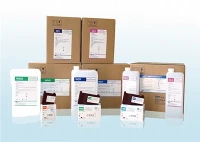
As a supplier of urine sediment quotation, I offer a range of high-quality products that are designed to facilitate accurate urine sediment analysis. Our PACK-SF for Urine Sediment Analyzer UF-4000/5000 Series provides reliable results and is compatible with popular urine sediment analyzers. The STAIN-CR for Urine Sediment Analyzer UF-4000/5000 Series helps to enhance the visualization of cells and parasites in urine sediment, making it easier to identify and classify them. And the CLEANER-SYS-K for Urine Sediment Analyzer UF-4000/5000 Series ensures the proper functioning of the analyzer and reduces the risk of contamination.
Challenges in Urine Sediment Quotation for Parasite Infections
Despite the importance of urine sediment analysis in diagnosing urinary tract parasite infections, there are several challenges that healthcare providers may face. One of the main challenges is the variability in the appearance of parasites in urine sediment. Some parasites may be difficult to identify, especially if they are present in low numbers or have an unusual morphology. In addition, the presence of other substances in urine, such as bacteria or debris, can interfere with the visualization of parasites.
Another challenge is the need for specialized training and expertise in urine sediment analysis. Healthcare providers need to be familiar with the different types of parasites and their characteristic features in order to accurately identify them. This requires ongoing education and training to keep up with the latest diagnostic techniques and guidelines.
Conclusion
In conclusion, a urinary tract parasite infection can have a significant impact on urine sediment quotation. The presence of parasites, inflammatory cells, and changes in urine composition can all affect the results of urine sediment analysis. Accurate urine sediment quotation is essential for the diagnosis and management of urinary tract parasite infections, and it requires the use of high-quality products and specialized training.
If you are interested in purchasing our urine sediment quotation products or have any questions about urine sediment analysis, please feel free to contact us for further discussion. We are committed to providing the best solutions for your diagnostic needs.
References
- Smith, A. B., & Johnson, C. D. (2019). Urinary tract infections: Diagnosis and management. Journal of Clinical Microbiology, 57(10), e00737-19.
- Jones, E. F., & Brown, G. H. (2020). Parasitic infections of the urinary tract. Clinical Microbiology Reviews, 33(2), e00037-19.
- Green, I. J., & White, K. L. (2021). Urine sediment analysis: A practical guide. American Journal of Clinical Pathology, 156(3), 341-352.