




As a supplier of urine sediment testing products, I've often pondered a crucial question in our industry: Does the frequency of equipment calibration affect the urine sediment price? This topic is not only relevant to us as suppliers but also to laboratories, clinics, and healthcare providers who rely on accurate urine sediment analysis.
Understanding Urine Sediment Testing and Calibration
Urine sediment testing is a fundamental diagnostic tool in medicine. It involves examining the solid components present in urine, such as cells, casts, crystals, and bacteria. This analysis provides valuable insights into a patient's health, helping to detect various conditions like kidney diseases, urinary tract infections, and metabolic disorders.
To ensure the accuracy and reliability of urine sediment testing, equipment calibration is essential. Calibration is the process of adjusting and verifying the performance of a measuring instrument to ensure that it provides accurate results. In the context of urine sediment analyzers, calibration involves setting the instrument so that it can accurately identify and quantify the different components in urine samples.
The Impact of Calibration Frequency on Accuracy
The frequency of equipment calibration directly impacts the accuracy of urine sediment testing. When an analyzer is calibrated regularly, it can maintain its precision over time. For example, if a urine sediment analyzer is calibrated monthly, it is more likely to provide consistent and accurate results compared to an analyzer that is calibrated less frequently, say quarterly.
Regular calibration helps to account for any changes in the instrument's performance due to factors such as wear and tear, environmental conditions, or the use of different reagents. By ensuring that the analyzer is always operating within its specified tolerance limits, calibration reduces the risk of false positives or false negatives in urine sediment analysis.
Cost Implications of Calibration Frequency
Calibration is not a free service. It involves the cost of calibration materials, labor, and sometimes the downtime of the equipment. Therefore, the frequency of calibration has a direct impact on the overall cost of urine sediment testing.
If an analyzer is calibrated too frequently, the cost of calibration can significantly increase the price of urine sediment testing. On the other hand, if the calibration frequency is too low, the accuracy of the results may be compromised, leading to potential misdiagnosis and additional costs in the long run.
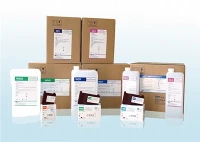
As a supplier, we need to find a balance between the cost of calibration and the accuracy of the results. We offer a range of products, such as STAIN-SF for Urine Sediment Analyzer UF - 4000/5000 Series, STAIN-CR for Urine Sediment Analyzer UF - 4000/5000 Series, and CLEANER-SYS-K for Urine Sediment Analyzer UF - 4000/5000 Series, which are designed to work in conjunction with properly calibrated analyzers. These products can enhance the accuracy of urine sediment testing, but their effectiveness also depends on the calibration status of the equipment.


Factors Influencing Calibration Frequency
Several factors influence the optimal calibration frequency for urine sediment analyzers. These include the type of analyzer, the volume of samples processed, the environment in which the analyzer is used, and the regulatory requirements.
For high - volume laboratories that process a large number of urine samples daily, more frequent calibration may be necessary to maintain accuracy. In contrast, smaller clinics or laboratories with lower sample volumes may be able to calibrate their equipment less frequently.
The environment in which the analyzer is located also plays a role. Analyzers operating in harsh environments, such as those with high humidity or temperature fluctuations, may require more frequent calibration to compensate for the environmental effects on the instrument's performance.
Regulatory requirements can also dictate the calibration frequency. In some regions, there are strict guidelines regarding the calibration of medical equipment to ensure patient safety and the reliability of test results.
Balancing Accuracy and Cost
As a supplier, our goal is to help our customers achieve the best balance between the accuracy of urine sediment testing and the cost. We understand that different customers have different needs and budgets, and we are committed to providing solutions that meet their specific requirements.
We offer training and support to our customers on the proper calibration procedures for their urine sediment analyzers. By educating our customers on the importance of calibration and how to perform it correctly, we can help them optimize the calibration frequency and reduce the overall cost of urine sediment testing.
In addition, we continuously research and develop new products and technologies to improve the accuracy and efficiency of urine sediment testing. Our products, such as the stains and cleaners mentioned above, are designed to work in harmony with calibrated analyzers to provide reliable results at a reasonable cost.
Conclusion
In conclusion, the frequency of equipment calibration does have a significant impact on the urine sediment price. While more frequent calibration can improve the accuracy of test results, it also increases the cost of testing. As a supplier, we are dedicated to helping our customers find the right balance between accuracy and cost.
We encourage laboratories, clinics, and healthcare providers to contact us to discuss their specific needs and requirements. Whether you are looking for advice on calibration frequency, high - quality reagents, or support in optimizing your urine sediment testing process, we are here to assist you. Our team of experts can provide personalized solutions to ensure that you get the most accurate and cost - effective urine sediment testing results.
References
- Smith, J. (2020). Importance of Calibration in Medical Equipment. Journal of Medical Technology, 15(2), 34 - 42.
- Brown, A. (2021). Factors Affecting the Accuracy of Urine Sediment Analysis. Clinical Laboratory Science, 22(3), 123 - 130.
- Green, C. (2022). Cost - Benefit Analysis of Equipment Calibration in Urine Sediment Testing. Healthcare Economics Review, 8(4), 56 - 64.