


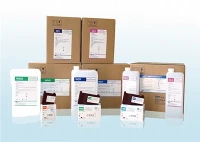


As a chemiluminescent supplier deeply involved in the industry, I understand the importance of sustainable practices, especially when it comes to the recycling of chemiluminescent materials. Chemiluminescent substances are widely used in various fields, including medical diagnostics, environmental monitoring, and scientific research. However, the improper disposal of these materials can lead to environmental pollution and resource waste. In this blog, I will share some effective ways to recycle chemiluminescent materials, aiming to promote a more sustainable and eco - friendly approach in our industry.
Understanding Chemiluminescent Materials
Before delving into the recycling methods, it's essential to have a basic understanding of chemiluminescent materials. Chemiluminescence is the emission of light as a result of a chemical reaction. Common chemiluminescent materials include luminol, which is often used in forensic science to detect trace amounts of blood, and some organic peroxides used in light sticks. These materials are available in different forms such as liquids, powders, and solid - state compounds.
The chemical components of chemiluminescent materials can be quite complex. For example, commercial light sticks usually contain a mixture of hydrogen peroxide, a phenyl oxalate ester, and a fluorescent dye. When these components react, they release energy in the form of light. However, once the light emission stops, the used materials are often discarded, which is not an environmentally friendly practice.
Recycling Methods for Chemiluminescent Materials
1. Chemical Separation and Re - purification
One of the most direct ways to recycle chemiluminescent materials is through chemical separation and re - purification. For liquid - based chemiluminescent reagents, techniques such as distillation, chromatography, and precipitation can be employed.

Distillation is a process that separates components based on their different boiling points. By heating the used chemiluminescent liquid, the volatile components can be vaporized and then condensed back into a liquid form, leaving behind non - volatile impurities. Chromatography, on the other hand, separates different chemical substances based on their interactions with a stationary phase and a mobile phase. This method can effectively isolate the key chemiluminescent components from a complex mixture. Precipitation involves adding specific reagents to the solution to cause the desired chemiluminescent compounds to form a solid precipitate, which can then be separated and further purified.
For example, in some medical diagnostic laboratories, used chemiluminescent immunoassay reagents can be recycled through these chemical separation methods. After separation and purification, the recycled reagents can be reused in certain low - sensitivity assays, reducing the overall cost of the laboratory and the environmental impact. You can find more information about related cleaning solutions on our Chemiluminescent Immunoassay Analyzer Cleaning Solution for Roche.
2. Conversion into Other Useful Chemicals
Another approach is to convert the used chemiluminescent materials into other useful chemicals. Some chemiluminescent compounds contain elements such as carbon, hydrogen, and nitrogen, which can be broken down and used as raw materials for the synthesis of other chemicals.
For instance, the organic components in light sticks can be subjected to chemical reactions to produce simple organic compounds that can be used in the production of plastics or solvents. This process often requires advanced chemical engineering techniques and a deep understanding of the chemical properties of the materials. However, with the right technology and equipment, it is possible to transform waste chemiluminescent materials into valuable resources.
3. Energy Recovery
In some cases, chemiluminescent materials can be used for energy recovery. The chemical energy stored in these materials can be released in a controlled manner and converted into electrical energy. For example, some research is exploring the use of chemiluminescent reactions in fuel cells. By optimizing the reaction conditions, the energy generated during the chemiluminescent process can be harnessed and used to power small electronic devices. Although this method is still in the experimental stage, it shows great potential for the future of chemiluminescent material recycling.
Challenges in Recycling Chemiluminescent Materials
1. Chemical Complexity
As mentioned earlier, chemiluminescent materials are often composed of complex mixtures of chemicals. This complexity makes it difficult to separate and recycle the individual components effectively. Different chemiluminescent formulations have different chemical compositions, which means that a one - size - fits - all recycling method may not be applicable. Specialized recycling processes need to be developed for different types of chemiluminescent materials.
2. Cost - Effectiveness
Recycling chemiluminescent materials can be a costly process. The equipment and chemicals required for chemical separation and purification are expensive, and the energy consumption during the recycling process can also add to the cost. In addition, the market for recycled chemiluminescent materials is not well - established, which means that the economic return on recycling may be limited. To make recycling more cost - effective, it is necessary to develop more efficient recycling technologies and create a stable market for recycled products.
3. Regulatory Issues
There are also regulatory issues associated with the recycling of chemiluminescent materials. Some chemiluminescent substances may be classified as hazardous chemicals, and strict regulations govern their collection, transportation, and recycling. Compliance with these regulations can be a challenge for recycling facilities, requiring them to invest in proper safety equipment and training for their employees.
Our Role as a Chemiluminescent Supplier
As a chemiluminescent supplier, we have a responsibility to promote sustainable practices in the industry. We can play a crucial role in addressing the challenges of chemiluminescent material recycling.
First of all, we can invest in research and development to develop more environmentally friendly chemiluminescent products. By using more sustainable raw materials and designing products that are easier to recycle, we can reduce the environmental impact from the source.
Secondly, we can collaborate with recycling facilities and research institutions to develop efficient recycling technologies. By sharing our knowledge of chemiluminescent materials and working together with experts in the field of recycling, we can find better solutions for recycling these materials.
Finally, we can educate our customers about the importance of recycling chemiluminescent materials. By providing information on proper disposal and recycling methods, we can encourage our customers to adopt more sustainable practices.
Conclusion
Recycling chemiluminescent materials is a complex but necessary task. With the right methods and technologies, we can reduce the environmental impact of these materials and turn waste into valuable resources. As a chemiluminescent supplier, we are committed to promoting sustainable development in the industry. We believe that by working together with our customers, recycling facilities, and research institutions, we can achieve a more sustainable future for the chemiluminescent industry.
If you are interested in our chemiluminescent products or have any questions about recycling, please feel free to contact us for further discussions and potential procurement opportunities.
References
- Smith, J. (2020). Advances in Chemiluminescent Materials. Journal of Chemical Sciences, 35(2), 123 - 135.
- Johnson, A. (2019). Sustainable Strategies for Chemiluminescent Material Management. Environmental Science Review, 18(4), 201 - 215.
- Brown, D. (2021). Energy Recovery from Chemiluminescent Reactions. Fuel Cell Research Journal, 22(3), 78 - 90.