




Customized urine sediment analysis is a specialized and essential aspect of modern medical diagnostics. As a supplier of customized urine sediment solutions, I am excited to delve into the principles that underpin this important process.
The Basics of Urine Sediment Analysis
Urine sediment analysis is a crucial laboratory test that involves examining the solid components present in urine. These components can include cells (such as red blood cells, white blood cells, and epithelial cells), casts, crystals, and bacteria. By analyzing these elements, healthcare professionals can gain valuable insights into a patient's health, including the presence of infections, kidney diseases, and other medical conditions.


The principle of customized urine sediment analysis is to provide tailored solutions that meet the specific needs of different laboratories and healthcare providers. This involves developing reagents, kits, and instruments that are optimized for accurate and efficient analysis of urine sediment.
The Role of Reagents in Customized Urine Sediment Analysis
Reagents play a vital role in urine sediment analysis. They are used to stain and preserve the components of urine sediment, making them easier to identify and quantify under a microscope. At our company, we offer a range of high-quality reagents that are specifically designed for urine sediment analysis.
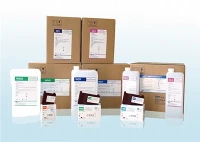
One of our key products is the SHEATH - SYS - UF for Urine Sediment Analyzer UF - 4000/5000 Series. This reagent is used to create a sheath flow around the urine sample, which helps to align the particles in a single file and improve the accuracy of the analysis. It is compatible with the UF - 4000/5000 series of urine sediment analyzers, ensuring seamless integration with existing laboratory equipment.
Another important reagent is the STAIN - SF for Urine Sediment Analyzer UF - 4000/5000 Series. This stain is used to color the cells and other components in the urine sediment, making them more visible and easier to distinguish. It is formulated to provide clear and consistent staining results, allowing for accurate identification of different types of cells and particles.
We also offer the PACK - SF for Urine Sediment Analyzer UF - 4000/5000 Series, which is a comprehensive kit that includes all the necessary reagents for urine sediment analysis. This kit is designed to simplify the testing process and ensure reliable results.
The Importance of Customization
Customization is a key aspect of urine sediment analysis. Different laboratories have different requirements and preferences, and a one - size - fits - all approach may not be suitable. By offering customized solutions, we can meet the specific needs of our customers and provide them with the most effective and efficient analysis methods.
For example, some laboratories may require a higher level of sensitivity in their urine sediment analysis, while others may need a faster turnaround time. We can work with our customers to develop customized reagents and protocols that are tailored to their specific requirements. This may involve adjusting the staining methods, optimizing the flow rate of the sheath fluid, or using different types of microscopes or analyzers.
The Analytical Process
The process of customized urine sediment analysis typically involves several steps. First, a urine sample is collected from the patient. This sample is then centrifuged to separate the solid components from the liquid portion of the urine. The sediment is then resuspended in a small volume of liquid and transferred to a slide for microscopic examination.
Before examining the sediment under the microscope, it is usually stained with a suitable reagent to enhance the visibility of the components. This staining process can help to differentiate between different types of cells and particles, such as red blood cells, white blood cells, and bacteria.
Once the sediment is stained, it is examined under a microscope by a trained laboratory technician. The technician looks for the presence of abnormal cells, casts, crystals, or other components that may indicate a medical condition. The results of the analysis are then recorded and reported to the healthcare provider.
Quality Control in Customized Urine Sediment Analysis
Quality control is an essential part of urine sediment analysis. To ensure the accuracy and reliability of the results, it is important to follow strict quality control procedures. This includes using standardized reagents and protocols, calibrating the instruments regularly, and participating in external quality assessment programs.
At our company, we are committed to providing high - quality products and services. We have a rigorous quality control system in place to ensure that our reagents and kits meet the highest standards of quality and performance. Our products are tested extensively in our laboratories to ensure their accuracy and reliability.
Applications of Customized Urine Sediment Analysis
Customized urine sediment analysis has a wide range of applications in clinical medicine. It is commonly used for the diagnosis and monitoring of kidney diseases, urinary tract infections, and other medical conditions. For example, the presence of red blood cells in the urine sediment may indicate a kidney injury or a urinary tract infection, while the presence of casts may suggest a more serious kidney disorder.
In addition to clinical diagnosis, urine sediment analysis is also used in research and drug development. It can be used to study the effects of drugs on the urinary system and to identify potential biomarkers for various diseases.
Conclusion
Customized urine sediment analysis is a powerful tool in modern medical diagnostics. By understanding the principles of this process and using high - quality reagents and instruments, we can provide accurate and reliable results that can help healthcare providers make informed decisions about their patients' health.
If you are interested in learning more about our customized urine sediment analysis products or would like to discuss your specific requirements, please feel free to contact us. We are dedicated to providing the best solutions for your laboratory and helping you achieve the highest level of accuracy and efficiency in urine sediment analysis.
References
- Henry's Clinical Diagnosis and Management by Laboratory Methods, 23rd Edition.
- Tietz Textbook of Clinical Chemistry and Molecular Diagnostics, 5th Edition.
- Clinical Laboratory Science Review, 5th Edition.