


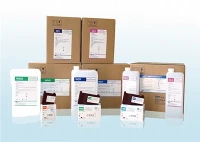


When purchasing a hematology analyzer, one of the most crucial considerations is the reagent cost. As a supplier of hematology analyzers, I understand that this is a significant concern for our customers. In this blog, I will delve into the factors that influence the reagent cost for hematology analyzers and provide insights to help you make an informed decision.


Understanding the Role of Reagents in Hematology Analyzers
Reagents are essential components in hematology analyzers as they are used to perform various tests on blood samples. They react with the blood cells and components to enable the analyzer to measure different parameters, such as the number of red blood cells, white blood cells, and platelets, as well as their characteristics. The accuracy and reliability of the test results depend largely on the quality of the reagents used.
Factors Affecting Reagent Cost
Type of Hematology Analyzer
There are different types of hematology analyzers available in the market, such as 3-part Differential Hematology Instrument and 5-part Differential Hematology Instrument. The 3-part differential analyzers can classify white blood cells into three main types, while the 5-part differential analyzers can provide a more detailed classification into five types. Generally, 5-part differential analyzers require more complex and expensive reagents due to the higher level of analysis they perform.
Test Menu
The range of tests offered by a hematology analyzer also affects the reagent cost. Analyzers with a comprehensive test menu that includes a wide variety of blood cell parameters will require more types of reagents. For example, an analyzer that can perform additional tests such as reticulocyte counting or hemoglobin electrophoresis will need specialized reagents for these tests, which can increase the overall cost.
Reagent Volume and Consumption
The volume of reagents used per test and the frequency of testing are important factors in determining the reagent cost. Some analyzers are designed to use smaller volumes of reagents per test, which can result in lower overall consumption and cost. Additionally, if the analyzer is used for high-throughput testing, the reagent consumption will be higher, and thus the cost will also increase.
Reagent Quality and Brand
The quality and brand of the reagents can have a significant impact on the cost. High-quality reagents from well-known brands often come with a higher price tag. However, they also offer better accuracy, precision, and reliability, which can be crucial in a clinical setting. Cheaper reagents may seem like a cost-effective option initially, but they may compromise the quality of the test results and lead to additional costs in the long run, such as repeat testing or misdiagnosis.
Calculating the Reagent Cost
To accurately calculate the reagent cost for a hematology analyzer, you need to consider the following steps:
Determine the Test Volume
Estimate the number of tests you will perform per month or year. This will depend on the size of your laboratory, the patient population you serve, and the demand for hematology testing.
Identify the Reagents Required
Based on the test menu of the analyzer, determine the types and quantities of reagents needed for each test. Some analyzers may require multiple reagents for a single test.
Obtain the Reagent Prices
Contact the reagent suppliers or the manufacturer of the hematology analyzer to get the prices of the required reagents. Make sure to compare the prices from different suppliers to get the best deal.
Calculate the Total Reagent Cost
Multiply the quantity of each reagent used per test by the number of tests and the price of the reagent. Then, sum up the costs for all the reagents to get the total reagent cost for a specific period.
Cost-Effective Strategies
Negotiate with Suppliers
When purchasing a hematology analyzer, try to negotiate with the supplier for a better deal on the reagents. Some suppliers may offer discounts or package deals that include the analyzer and a certain quantity of reagents at a reduced price.
Consider Reagent Compatibility
Look for hematology analyzers that are compatible with a wide range of reagents. This will give you the flexibility to choose from different suppliers and select the most cost-effective option.
Optimize Test Utilization
Review your test ordering practices to ensure that you are only performing necessary tests. Unnecessary testing can lead to increased reagent consumption and cost.
Conclusion
The reagent cost for a hematology analyzer is a complex issue that depends on several factors, including the type of analyzer, test menu, reagent volume and consumption, and reagent quality and brand. By understanding these factors and implementing cost-effective strategies, you can manage the reagent cost effectively and make a more informed decision when purchasing a hematology analyzer.
If you are interested in learning more about our hematology analyzers or have any questions regarding reagent costs, please feel free to contact us for a detailed discussion and to explore potential purchasing opportunities.
References
- Clinical and Laboratory Standards Institute (CLSI). Hematology and Coagulation Standards.
- Manufacturer's manuals for hematology analyzers and reagents.