




Can urine sediment examination detect bone diseases? Well, that's a question that's been on my mind as a urine sediment supplier. I've been in this business for a while, and I've seen a lot of interest in using urine sediment analysis for various health checks. So, let's dive into whether it can really help in detecting bone diseases.
First off, what is urine sediment examination? It's a test that looks at the particles in your urine under a microscope. These particles can include cells, crystals, and other substances. It's a common test used to check for things like urinary tract infections, kidney problems, and other health issues. But can it tell us anything about our bones?
Our bones are constantly going through a process of remodeling. Old bone is broken down, and new bone is formed. This process involves a lot of different substances, some of which end up in our urine. For example, when bone is broken down, certain proteins and minerals are released into the bloodstream and then filtered out by the kidneys and excreted in the urine.
One of the key markers that we can look for in urine sediment is called hydroxyproline. It's a type of amino acid that's found in collagen, which is a major component of bone. When bone is being broken down, more hydroxyproline is released into the urine. So, by measuring the levels of hydroxyproline in urine sediment, we might be able to get an idea of how much bone is being broken down.
Another marker is calcium. Calcium is a crucial mineral for bone health. If there's too much calcium in the urine, it could be a sign that the body is losing too much bone. This could be due to conditions like osteoporosis, where the bones become weak and brittle. By analyzing the calcium levels in urine sediment, doctors can potentially detect early signs of bone loss.
But it's not as simple as just looking at these markers in isolation. There are a lot of factors that can affect the levels of these substances in urine. For example, diet can play a big role. If someone eats a lot of calcium-rich foods, their urine calcium levels might be higher, even if they don't have a bone disease. And certain medications can also affect the levels of these markers.
So, while urine sediment examination can give us some clues about bone health, it's not a definitive test. It's more like a piece of the puzzle. Doctors usually use it in combination with other tests, like bone density scans, to get a more accurate picture of a person's bone health.
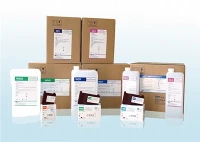
Now, as a urine sediment supplier, I offer a range of products that can help with urine sediment analysis. For example, we have the PACK-CR for Urine Sediment Analyzer UF-4000/5000 Series. This product is designed to provide accurate and reliable results when analyzing urine sediment. It helps in identifying different types of particles in the urine, which can be crucial for detecting various health issues, including those related to bone health.


We also have the PACK-SF for Urine Sediment Analyzer UF-4000/5000 Series. This reagent is great for enhancing the visibility of particles in the urine, making it easier to detect and analyze them. And then there's the SHEATH-SYS-UF for Urine Sediment Analyzer UF-4000/5000 Series, which helps in maintaining the integrity of the urine sample during the analysis process.
If you're in the medical field and are interested in using high-quality urine sediment analysis products, I'd love to have a chat with you. Whether you're a doctor, a laboratory technician, or someone involved in medical research, our products can help you get more accurate and detailed results from urine sediment examinations. We're always looking to work with partners who are passionate about improving healthcare through advanced diagnostic tools.
In conclusion, while urine sediment examination can offer some insights into bone health, it's just one part of the overall diagnostic process. But with the right products and techniques, it can be a valuable tool in detecting and monitoring bone diseases. If you're interested in learning more about our urine sediment products or want to discuss how they can be used in your practice, don't hesitate to reach out.
References
- "Clinical Laboratory Medicine" by Michael L. Bishop, et al.
- "Textbook of Medical Biochemistry" by Devlin, Thomas M.