




Hemostasis is a complex physiological process that prevents excessive bleeding and maintains the integrity of the circulatory system. When this process goes awry, it can lead to a variety of hemostatic disorders, which can range from mild bleeding tendencies to life - threatening hemorrhages. As a hematology reagents supplier, I've seen firsthand how these reagents play a crucial role in diagnosing these disorders.
Let's first understand what hemostatic disorders are. There are two main types: bleeding disorders and thrombotic disorders. Bleeding disorders, such as hemophilia and von Willebrand disease, are characterized by an inability to form proper blood clots. On the other hand, thrombotic disorders involve the formation of blood clots in the blood vessels, which can block blood flow and lead to serious complications like strokes or heart attacks.
Hematology reagents are essential tools in the diagnosis of these disorders. One of the key aspects of diagnosing hemostatic disorders is analyzing the components of blood involved in the clotting process. For example, reagents are used to measure the levels of various clotting factors in the blood. These factors work together in a cascade to form a blood clot. If there's a deficiency or malfunction in one of these factors, it can disrupt the clotting process.
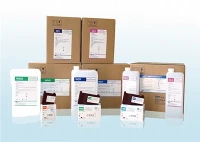
Our company offers a wide range of hematology reagents that are designed to accurately measure these clotting factors. For instance, we have Lyser for Mindray Hematology Instrument. This reagent is specifically formulated for Mindray hematology instruments. It helps in lysing red blood cells, which is an important step in preparing blood samples for analysis. By lysing the red blood cells, we can get a clearer view of other blood components, such as platelets and white blood cells, which are crucial for understanding the hemostatic process.
Another important reagent we offer is the Cleaner for Beckman Coulter Series Hematology Instrument. Maintaining the cleanliness of hematology instruments is vital for accurate test results. This cleaner ensures that the instruments are free from any debris or contaminants that could affect the analysis of blood samples. A clean instrument provides more reliable data, which is essential when diagnosing hemostatic disorders.
The Diluent for Beckman Coulter Series Hematology Instrument is also a key product in our portfolio. Blood samples often need to be diluted to get an accurate count of blood cells. This diluent is specially formulated for Beckman Coulter series instruments and helps in achieving the right dilution factor. By diluting the blood samples correctly, we can get more precise measurements of blood components, which is crucial for diagnosing hemostatic disorders.
In addition to measuring clotting factors, hematology reagents are also used to assess platelet function. Platelets are small cell fragments in the blood that play a major role in clot formation. Reagents can be used to test platelet aggregation, which is the process by which platelets clump together to form a plug at the site of a blood vessel injury. Abnormal platelet aggregation can indicate a hemostatic disorder.


For example, we have reagents that can detect platelet - activating factors and inhibitors. These reagents help in understanding how platelets are functioning in the body. If there's a problem with platelet activation or inhibition, it can lead to either excessive bleeding or excessive clotting.
Moreover, hematology reagents are used in coagulation tests. These tests measure the time it takes for blood to clot. There are different types of coagulation tests, such as the prothrombin time (PT) and the activated partial thromboplastin time (aPTT). Reagents are used to initiate these tests and accurately measure the clotting times. Abnormal clotting times can be a sign of a hemostatic disorder.
The use of high - quality hematology reagents is crucial for accurate diagnosis. Inaccurate test results can lead to misdiagnosis, which can have serious consequences for patients. That's why our company is committed to providing reagents that are reliable and accurate. We use the latest technology and quality control measures to ensure that our reagents meet the highest standards.
When it comes to diagnosing hemostatic disorders, a comprehensive approach is needed. Hematology reagents are just one part of the equation. Other factors, such as the patient's medical history, symptoms, and physical examination, also play important roles. However, without accurate and reliable hematology reagents, it would be much more difficult to diagnose these disorders.
If you're in the medical field and are looking for high - quality hematology reagents for the diagnosis of hemostatic disorders, we're here to help. Our team of experts can provide you with the right reagents for your specific needs. We understand the importance of accurate diagnosis and are committed to providing products that can make a difference in patient care.
In conclusion, hematology reagents are indispensable in the diagnosis of hemostatic disorders. They help in measuring clotting factors, assessing platelet function, and conducting coagulation tests. Our company offers a wide range of reagents, including those specifically designed for different hematology instruments. If you're interested in learning more about our products or have any questions, don't hesitate to reach out. We're ready to assist you in your quest for accurate diagnosis and better patient care.
References
- Hoffman, R., Benz, E. J., Silberstein, L. E., et al. (2013). Hematology: Basic Principles and Practice. Elsevier.
- George, J. N., & Shattil, S. J. (1991). The platelet membrane glycoprotein IIb - IIIa complex. Blood, 78(6), 1436 - 1450.
- Lee, G. R., Foerster, J., Lukens, J. N., et al. (2006). Wintrobe's Clinical Hematology. Lippincott Williams & Wilkins.