


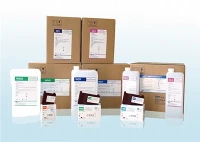


Hey there! As a supplier of hematology analyzer prices, I've been getting a lot of questions lately about whether the vibration level of a hematology analyzer affects its price. Well, let's dive right into it and see what's what.
First off, let's talk about what a hematology analyzer is. It's a medical device used to analyze blood samples. It can measure various components of the blood, like red blood cells, white blood cells, and platelets. There are different types of hematology analyzers, such as the 5-part Differential Hematology Instrument and the 3-part Differential Hematology Instrument.
Now, let's get to the main question: does the vibration level of a hematology analyzer affect its price? The short answer is yes, it can. You see, a hematology analyzer needs to be very precise in its measurements. Any vibration can potentially disrupt the accuracy of the analysis.
High - quality hematology analyzers are designed to minimize vibration. They often come with advanced anti - vibration technologies. These technologies can range from special shock - absorbing materials to sophisticated internal mechanisms that counteract vibrations. The cost of developing and implementing these anti - vibration features adds to the overall price of the analyzer.
For example, if an analyzer is going to be used in a busy hospital environment where there's a lot of foot traffic, machinery movement, and other sources of vibration, it needs to be able to withstand these external forces. A top - of - the - line analyzer with excellent anti - vibration capabilities will be more expensive than a basic model that doesn't have these features.
On the other hand, if the analyzer is going to be used in a relatively quiet laboratory setting with minimal external vibrations, a less expensive model might be sufficient. In such cases, the manufacturer doesn't need to invest as much in anti - vibration technology, so the price can be lower.
Another factor related to vibration is the long - term durability of the analyzer. Excessive vibration can cause wear and tear on the internal components of the analyzer over time. A well - designed analyzer with good anti - vibration properties is likely to have a longer lifespan. This means that the cost of replacement parts and maintenance will be lower in the long run. Manufacturers take this into account when setting the price of the analyzer.
Let's look at some real - world scenarios. In a large, urban hospital, the demand for a high - precision, vibration - resistant hematology analyzer is high. Doctors and technicians rely on accurate blood test results to make critical medical decisions. They're willing to pay a premium for an analyzer that can provide reliable results even in a noisy, high - traffic environment.
In a small, rural clinic, the requirements might be different. The volume of blood samples is lower, and the environment is generally quieter. A less expensive analyzer might be a more cost - effective option for them.
Now, let's talk about how vibration is measured in hematology analyzers. There are specific standards and testing methods to determine the vibration level of these devices. Manufacturers use these measurements to ensure that their analyzers meet the required accuracy and performance standards.
The testing usually involves subjecting the analyzer to different levels of vibration and then checking the accuracy of the blood analysis. If the results are significantly affected by the vibration, the analyzer might need to be improved or redesigned. This process of testing and improvement also adds to the cost of the analyzer.
When it comes to choosing a hematology analyzer, it's important to consider your specific needs. If you're running a high - volume laboratory with a lot of external vibrations, you'll probably want to invest in a high - end analyzer with excellent anti - vibration features. However, if you're in a more low - key setting, you can save some money by going for a more basic model.
As a supplier, I understand that price is an important factor for our customers. That's why we offer a range of hematology analyzers at different price points. Whether you're looking for a budget - friendly option or a top - of - the - line analyzer, we've got you covered.
If you're interested in learning more about our hematology analyzers and their prices, or if you have any questions about the vibration levels and how they affect the performance and price, don't hesitate to reach out. We're here to help you make the best decision for your medical facility.
In conclusion, the vibration level of a hematology analyzer does have an impact on its price. The more advanced the anti - vibration technology, the higher the cost. But it's all about finding the right balance between your needs and your budget. So, if you're in the market for a hematology analyzer, take the time to consider all these factors and make an informed choice.
If you're ready to start the procurement process or just want to have a chat about your requirements, feel free to get in touch. We're eager to work with you and provide you with the best hematology analyzer solution for your facility.


References:
- Medical Device Technology Journal, various issues on hematology analyzer design and performance
- Manufacturer brochures and technical specifications of hematology analyzers