


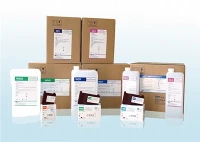


Red blood cell distribution width (RDW) is a crucial parameter in hematology, providing valuable insights into the heterogeneity of red blood cell size within a blood sample. As a leading hematology analyzer supplier, we understand the significance of accurate RDW measurement and the advanced technology behind it. In this blog, we will explore how a hematology analyzer measures RDW, the importance of this parameter, and how our cutting - edge analyzers ensure reliable results.
The Significance of RDW
RDW is a measure of the variation in the size of red blood cells (RBCs). It is expressed as a percentage and is calculated based on the standard deviation of RBC volume divided by the mean corpuscular volume (MCV). A normal RDW value typically ranges from 11.5% to 14.5%. An elevated RDW indicates increased variation in RBC size, which can be associated with various hematological disorders such as iron - deficiency anemia, vitamin B12 or folate deficiency, and certain types of hemolytic anemias.


Principles of RDW Measurement in Hematology Analyzers
Electrical Impedance Method
One of the most common techniques used in hematology analyzers to measure RDW is the electrical impedance method. This method is based on the principle that when a suspension of cells passes through a small aperture between two electrodes, each cell causes a change in electrical resistance proportional to its volume.
As the red blood cells flow through the aperture, the analyzer measures the electrical impedance changes. The instrument then generates a volume distribution histogram of the red blood cells. The RDW is calculated from this histogram. The analyzer first determines the mean corpuscular volume (MCV), which is the average volume of the red blood cells in the sample. Then, it calculates the standard deviation of the RBC volumes. The RDW is obtained by dividing the standard deviation by the MCV and multiplying by 100 to get a percentage.
Flow Cytometry
Flow cytometry is another advanced technique used in modern hematology analyzers for RDW measurement. In flow cytometry, a single - cell suspension is passed through a laser beam. As the red blood cells pass through the laser, they scatter light in different directions. The forward scatter (FSC) is related to the size of the cell, while the side scatter (SSC) provides information about the internal complexity of the cell.
The analyzer collects data on the FSC of each red blood cell. By analyzing the distribution of FSC values, the instrument can calculate the RDW. Flow cytometry offers high - resolution measurement and can distinguish between different populations of red blood cells based on their size and other characteristics.
Our Hematology Analyzers and RDW Measurement
At our company, we offer a range of hematology analyzers that are designed to provide accurate and reliable RDW measurements. Our 3 - part Differential Hematology Instrument is a cost - effective solution for basic hematological analysis. It uses the electrical impedance method to measure RDW along with other important parameters such as RBC count, hemoglobin concentration, and MCV.
For more advanced analysis, our 5 - part Differential Hematology Instrument combines both electrical impedance and flow cytometry techniques. This instrument can provide a more detailed analysis of the red blood cell population, including a more accurate measurement of RDW. It can also differentiate between different types of white blood cells, providing a comprehensive hematological profile.
Quality Control and Calibration
To ensure the accuracy of RDW measurements, our hematology analyzers are equipped with sophisticated quality control and calibration systems. Regular calibration is performed using certified reference materials to ensure that the instrument is providing accurate results. Quality control samples are run at regular intervals to monitor the performance of the analyzer and detect any potential issues.
Applications of RDW Measurement
The measurement of RDW has several clinical applications. In the diagnosis of anemia, RDW can help differentiate between different types of anemia. For example, in iron - deficiency anemia, the RDW is often elevated, while in thalassemia, the RDW may be normal or only slightly elevated.
RDW can also be used to monitor the response to treatment. In patients with anemia, a decrease in RDW over time may indicate a positive response to treatment, such as iron supplementation in iron - deficiency anemia.
The Future of RDW Measurement
As technology continues to advance, we expect to see further improvements in RDW measurement. Newer techniques may be developed that offer even higher accuracy and more detailed information about the red blood cell population. Our company is committed to staying at the forefront of these technological advancements and providing our customers with the most advanced hematology analyzers.
Contact Us for Procurement
If you are interested in purchasing a hematology analyzer for accurate RDW measurement and other hematological analysis, we invite you to contact us. Our team of experts can provide you with detailed information about our products, answer your questions, and assist you in selecting the analyzer that best suits your needs. Whether you are a small clinic or a large hospital, we have the right solution for you. Reach out to us to start a conversation about your procurement requirements.
References
- Jain, K. K. (2005). Laboratory Hematology. Wiley - Liss.
- Rodak, B. F., & Carr, J. H. (2017). Clinical Hematology Atlas. Elsevier.
- McPherson, R. A., & Pincus, M. R. (2018). Henry's Clinical Diagnosis and Management by Laboratory Methods. Elsevier.