




Hey there! As a supplier of urine sediment products, I've seen firsthand how important it is to understand how urine sediment changes in cases of urinary obstruction. Urinary obstruction, which can be caused by things like kidney stones, tumors, or an enlarged prostate, can have a significant impact on the composition of urine sediment. In this blog, I'll break down the changes you can expect to see and how our products can help in the analysis process.
What is Urine Sediment?
Before we dive into the changes due to urinary obstruction, let's quickly go over what urine sediment is. Urine sediment consists of solid materials that are present in urine. These can include cells (like red blood cells, white blood cells, and epithelial cells), casts, crystals, and bacteria. Analyzing urine sediment can provide valuable information about a person's health, including the presence of infections, kidney diseases, and other medical conditions.
How Urinary Obstruction Affects Urine Sediment
When there's a urinary obstruction, the normal flow of urine is disrupted. This can lead to several changes in the urine sediment.
1. Increased Cellular Elements
One of the most noticeable changes is an increase in the number of cells in the urine sediment. With an obstruction, there's often inflammation in the urinary tract. This inflammation can cause an influx of white blood cells into the urine. You might also see an increase in red blood cells, especially if the obstruction is causing trauma to the urinary tract. For example, a kidney stone moving through the ureter can scratch the lining, leading to bleeding and the presence of red blood cells in the urine.
2. Formation of Casts
Casts are cylindrical structures that form in the kidney tubules. In cases of urinary obstruction, the stasis of urine in the tubules can lead to the formation of more casts. There are different types of casts, such as hyaline casts, granular casts, and cellular casts. Hyaline casts are the most common and are usually a sign of mild kidney irritation. Granular casts can indicate more significant kidney damage, and cellular casts can contain red or white blood cells, which can provide more clues about the underlying cause of the obstruction.
3. Crystal Changes
The composition of crystals in the urine can also change in cases of urinary obstruction. For instance, if the urine becomes more concentrated due to the obstruction, certain crystals like calcium oxalate or uric acid crystals may form more readily. These crystals can be seen in the urine sediment and can sometimes contribute to the formation of kidney stones, further exacerbating the obstruction.
4. Bacterial Growth
The stagnant urine in the urinary tract due to the obstruction provides an ideal environment for bacteria to grow. As a result, you're likely to see an increase in the number of bacteria in the urine sediment. This can lead to urinary tract infections, which can cause additional symptoms like pain, burning during urination, and fever.
How Our Products Can Help
At our company, we offer a range of products designed to help with urine sediment analysis, especially in cases of urinary obstruction.
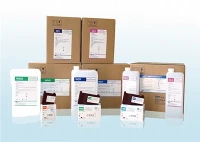
One of our key products is the STAIN-CR for Urine Sediment Analyzer UF-4000/5000 Series. This stain is specifically formulated to enhance the visibility of different elements in the urine sediment. It helps in clearly distinguishing between cells, casts, and crystals, making it easier for healthcare professionals to accurately analyze the sediment and detect any changes due to urinary obstruction.
Another important product is the SHEATH-SYS-UF for Urine Sediment Analyzer UF-4000/5000 Series. This sheath fluid is essential for the proper functioning of the urine sediment analyzer. It ensures that the urine sample flows smoothly through the analyzer, allowing for accurate and reliable results. In cases of urinary obstruction, where the urine sediment may be more complex, this sheath fluid helps in obtaining clear and detailed images of the sediment.
We also offer the PACK-CR for Urine Sediment Analyzer UF-4000/5000 Series. This package contains all the necessary reagents for urine sediment analysis, making it convenient for laboratories to have everything they need in one place. With these reagents, laboratories can efficiently analyze urine samples and detect any changes in the sediment due to urinary obstruction.


Why Choose Our Products?
Our products are designed with quality and accuracy in mind. We understand the importance of reliable urine sediment analysis, especially in cases of urinary obstruction where accurate diagnosis is crucial. Our stains and reagents are formulated to provide clear and consistent results, allowing healthcare professionals to make informed decisions about patient care.
In addition, our products are compatible with the UF-4000/5000 Series of urine sediment analyzers, which are widely used in laboratories around the world. This compatibility ensures that our products can be easily integrated into existing laboratory workflows, making it convenient for laboratories to use our products without having to make significant changes to their processes.
Contact Us for More Information
If you're interested in learning more about our urine sediment products or have any questions about how they can help in the analysis of urine sediment in cases of urinary obstruction, we'd love to hear from you. Whether you're a laboratory manager, a healthcare professional, or someone involved in the procurement of medical supplies, we're here to assist you. Reach out to us to start a conversation about how our products can meet your needs.
References
- Smith, J. K. (2018). Urinary Obstruction: Pathophysiology and Clinical Management. Journal of Urology, 200(3), 543 - 550.
- Jones, A. B. (2019). Urine Sediment Analysis in Renal and Urinary Tract Disorders. Clinical Laboratory Science, 32(2), 123 - 135.
- Brown, C. D. (2020). The Impact of Urinary Obstruction on Urine Composition. Kidney International, 98(4), 876 - 884.