


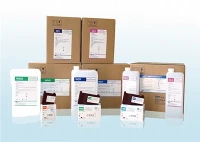


When operating a semi - automatic biochemical analyzer, proper waste disposal is not only crucial for environmental protection but also for ensuring the safety of laboratory staff and the general public. As a supplier of Semi - automatic Biochemical Analyzer and Biochemistry Semi Auto Analyzer, we understand the importance of providing guidance on this matter.
Types of Waste Generated by Semi - automatic Biochemical Analyzers
Semi - automatic biochemical analyzers generate several types of waste during their operation. The first category is chemical waste. These analyzers use a variety of reagents for biochemical tests, such as enzymes, buffers, and dyes. These chemicals can be hazardous if not disposed of properly. For example, some reagents may contain heavy metals like mercury or lead, which can contaminate soil and water sources if released into the environment.
Another type of waste is biological waste. Samples analyzed by the semi - automatic biochemical analyzer often come from human or animal sources. These samples may contain pathogens, viruses, or bacteria that pose a significant health risk. For instance, blood samples can carry diseases like hepatitis B, hepatitis C, and HIV.
In addition to chemical and biological waste, there is also solid waste. This includes used test tubes, pipettes, and other disposable laboratory equipment. Although these items may seem harmless at first glance, they can still be a source of contamination if not managed correctly.


Chemical Waste Disposal
The first step in disposing of chemical waste is to identify and segregate the different types of chemicals. Reagents should be separated based on their chemical properties, such as acids, bases, oxidizers, and flammable substances. This segregation helps prevent dangerous chemical reactions that could occur if incompatible chemicals are mixed.
Once the chemicals are segregated, they should be stored in appropriate containers. These containers should be labeled clearly with the name of the chemical, its concentration, and any hazard warnings. For example, corrosive chemicals should be stored in containers made of materials that are resistant to corrosion.
When it comes to the actual disposal of chemical waste, in most cases, it is illegal to pour chemicals down the drain or dispose of them in regular trash. Instead, you should contact a licensed hazardous waste disposal company. These companies have the expertise and equipment to handle chemical waste safely. They will collect the waste from your laboratory, transport it to a proper treatment facility, and ensure that it is disposed of in compliance with environmental regulations.
Biological Waste Disposal
Biological waste from semi - automatic biochemical analyzers requires special handling to prevent the spread of diseases. The first step is to decontaminate the samples. Autoclaving is a common method used for decontamination. Autoclaving involves subjecting the biological waste to high - pressure steam at a temperature of around 121°C (250°F) for a specific period of time, usually 15 - 30 minutes. This process effectively kills most bacteria, viruses, and fungi.
After decontamination, the biological waste can be disposed of in biohazard waste bags. These bags are made of puncture - resistant materials and are labeled with biohazard symbols to indicate their contents. The biohazard waste bags should then be placed in a rigid container for storage until they can be picked up by a licensed medical waste disposal company.
It is important to note that different regions may have different regulations regarding the disposal of biological waste. Some areas may require additional treatment steps, such as chemical disinfection, before the waste can be disposed of. Therefore, it is essential to familiarize yourself with the local regulations and follow them strictly.
Solid Waste Disposal
Solid waste from semi - automatic biochemical analyzers can be divided into two categories: non - hazardous and potentially hazardous. Non - hazardous solid waste, such as used paper towels and empty cardboard boxes, can be disposed of in regular trash. However, it is still a good practice to separate these items from other types of waste to make the recycling process easier.
Potentially hazardous solid waste, such as used test tubes and pipettes, may have come into contact with chemicals or biological samples. These items should be placed in a sharps container if they are sharp objects or in a biohazard waste bag if they are contaminated with biological material. Similar to biological waste, the solid waste should be decontaminated if possible before disposal.
Training and Education
Proper waste disposal requires the knowledge and cooperation of all laboratory staff. As a supplier of semi - automatic biochemical analyzers, we recommend that laboratories provide comprehensive training to their employees on waste disposal procedures. This training should cover the identification of different types of waste, the proper storage and handling of waste, and the correct disposal methods.
Regular refresher courses should also be provided to ensure that staff members stay up - to - date with the latest regulations and best practices. In addition, laboratories should have clear written policies on waste disposal and make them easily accessible to all employees.
Environmental Impact and Sustainability
In addition to the health and safety aspects, proper waste disposal also has a significant environmental impact. Improperly disposed of waste from semi - automatic biochemical analyzers can contaminate water sources, soil, and air. For example, chemical waste can leach into groundwater, making it unfit for human consumption. Biological waste can also spread diseases and disrupt ecosystems.
To minimize the environmental impact, laboratories should consider implementing sustainable waste management practices. This can include reducing the use of single - use items, recycling whenever possible, and using environmentally friendly reagents. For instance, some laboratories are now using biodegradable test tubes and pipettes to reduce the amount of plastic waste.
Conclusion
As a supplier of Semi - automatic Biochemical Analyzer and Biochemistry Semi Auto Analyzer, we are committed to helping our customers manage the waste generated by our products effectively. Proper waste disposal is not only a legal obligation but also a moral responsibility. By following the guidelines outlined in this blog post, laboratories can ensure the safety of their staff, protect the environment, and comply with relevant regulations.
If you are interested in purchasing our semi - automatic biochemical analyzers or have any questions about waste disposal, please feel free to contact us. We are ready to provide you with professional advice and excellent service.
References
- World Health Organization. (2014). Safe Management of Wastes from Health - Care Activities.
- U.S. Environmental Protection Agency. (2020). Hazardous Waste Generator Improvements Rule.
- Occupational Safety and Health Administration. (2019). Bloodborne Pathogens Standard.