


Hematology Controls & Calibrators
Hematology Controls & Calibrators for Diagnostic Analyzers
These reference materials maintain optical accuracy, system linearity, and daily measurement reliability across 3-part and 5-part hematology analyzers.

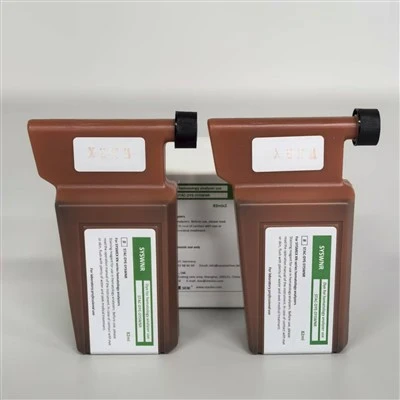
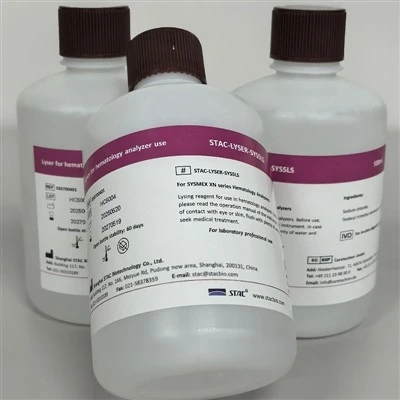
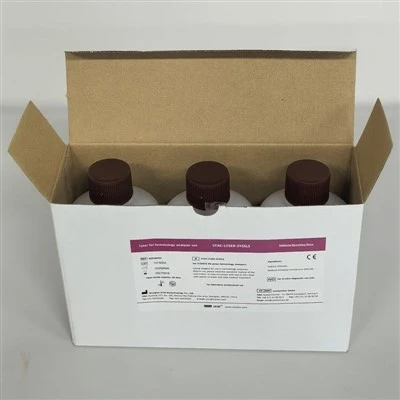


Category Introduction
Hematology Controls & Calibrators are reference materials used to evaluate, adjust, and validate the analytical measurement performance of automated blood cell counters. Formulated from processed mammalian red blood cells, simulated white blood cell components, and stable platelet analogs, these matrix-matched suspensions match the physical flow characteristics of fresh human whole blood.
Hematology calibrators assign target baseline values to anchor instrument sizing channels and light-scatter detectors. Hematology controls evaluate daily system precision, monitor optical drift, and confirm fluidic consistency across Low, Normal, and High clinical decision ranges. Regular utilization maintains measurement accuracy and supports medical laboratories in fulfilling international quality compliance requirements.
Product Specifications
|
Technical Parameter |
Hematology Controls |
Hematology Calibrators |
|
Parameter Coverage |
3-Part (18-22 parameters) / 5-Part (24-26 parameters) |
WBC, RBC, HGB, MCV, PLT |
|
Clinical Decision Levels |
Tri-Level (Low, Normal, High) |
Single Reference Level |
|
Closed-Vial Shelf Life |
90–100 days at 2°C to 8°C |
90–100 days at 2°C to 8°C |
|
Open-Vial Stability |
14–21 days (or 16 thermal cycles) |
Single-use / 24-hour stability |
|
Fill Volume Options |
2.0 mL, 2.5 mL, 3.0 mL screw-cap vials |
2.0 mL, 3.0 mL screw-cap vials |
Applications
Daily System Verification
Evaluates optical and fluidic repeatability prior to processing patient blood specimens.
01
Baseline Factor Calibration
Adjusts mathematical detection values following regular maintenance, sensor replacement, or optic realignments.
02
Reagent Lot Changeover
Confirms measurement consistency when introducing new production batches of lyse solutions or diluents.
03
Method Performance Audits
Validates linearity ranges and precision parameters following major instrument servicing or laboratory relocation.
04
Quality Assurance Compliance
Provides documented target ranges needed for internal routine checks and external proficiency testing.
05
Whole Blood Cell Structure: Preserves natural red cell disc shape and light-scattering properties for accurate passage through micro-apertures.
Multi-Level Formulation: Covers critical clinical boundaries for leukocyte, erythrocyte, hemoglobin, and platelet measurements.
Extended Closed-Vial Life: Employs cell membrane stabilization techniques to preserve parameter distribution over refrigerated storage periods.
Open-Vial Consistency: Maintains stable target ranges through repeated punctures and daily sampling procedures.
Assigned Value Certificates: Supplied with detailed assay sheets indicating mean reference values and target standard deviations for specific measurement methods.
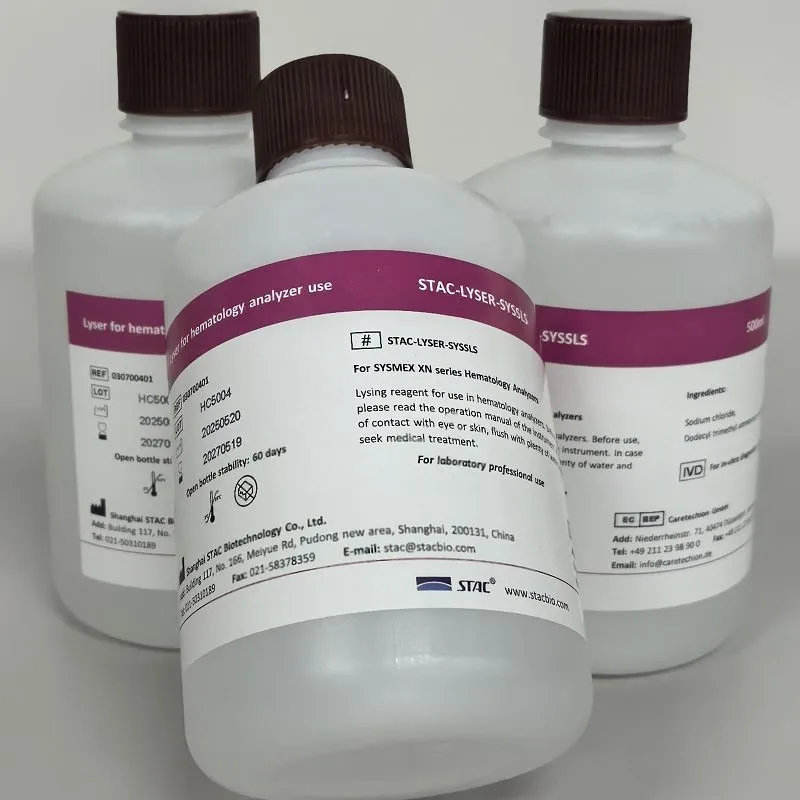
Compatible Hematology Analyzers
3-Part Differential Platforms: Formulated for electrical impedance counters measuring overall blood cell indices and 3-part leukocyte populations.
5-Part Differential Platforms: Optimized for optical flow cytometry and volume-conductivity-scatter systems detecting neutrophils, lymphocytes, monocytes, eosinophils, and basophils.
Product Range
3-Part Differential Controls
Low, Normal, and High reference suspensions designed for impedance-based detection systems.
5-Part Differential Controls
Multi-parameter suspensions containing distinct leukocyte sub-population analogs for optical differential platforms.
Hematology Calibrators
Concentrated single-level or multi-level reference materials with narrow target ranges for baseline adjustments.
Reticulocyte Controls
Specialized control suspensions designed to verify immature red blood cell counting parameters.
Controls vs. Calibrators
|
Feature |
Controls |
Calibrators |
|
Primary Function |
System drift detection and routine accuracy checks |
Baseline adjustment and calibration factor assignment |
|
Usage Frequency |
Daily or once per operational testing shift |
Periodically, post-maintenance, or upon reagent lot changes |
|
Operating Mechanism |
Compares current readings against defined acceptable ranges |
Adjusts electronic gain and optical scoring formulas |
|
Material Level |
Tri-Level options to span pathologically low to high values |
Single high-purity reference formulation |

Aseptic Formulation Lines: Processed under automated liquid handling and climate-controlled cleanroom environments.
Lot-to-Lot Value Consistency: Managed through precise cell count adjustment and strict raw material screening.
ISO 13485 Certified Production: Manufactured within certified quality management systems dedicated to in-vitro diagnostic products.
Validated Cold-Chain Shipping: Insulated thermal packaging ensures product temperature stability within required limits during ocean or air transit.
Private Label & Bulk Solutions
Custom Packaging Options
Private labeling, custom-branded assay sheets, and barcoded vial packaging configured to partner requirements.
Bulk Filling Operations
High-capacity liquid formulations supplied for regional filling lines and contract manufacturing facilities.
Assay Range Customization
Parameter values matched to target instrument channels and customer equipment profiles.
Frequently Asked Questions

Request Product Specifications & Quotation
Contact our technical team to receive detailed data sheets, lot-specific assay certificates, or customized manufacturing options.
We are one of the most professional hematology controls & calibrators manufacturers and suppliers in China, specialized in providing high quality OEM service. We warmly welcome you to buy customized hematology controls & calibrators at low price from our factory. Contact us for quotation.